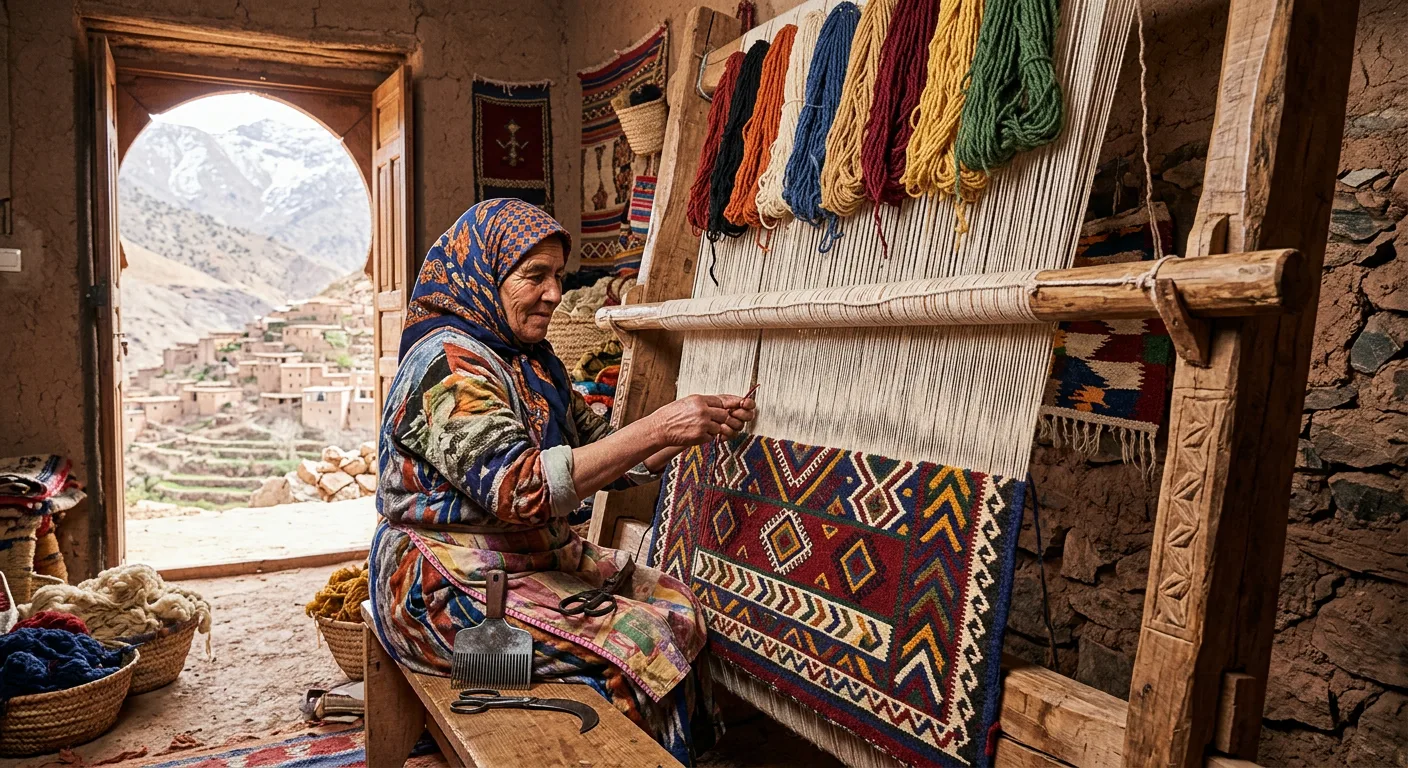
Morocco spans climate zones from Mediterranean coast to high-altitude mountain to Saharan erg — and a single day excursion can swing through more than one. Drive an hour up from Marrakech and you trade 35°C heat for a cool valley; head to the coast and the Atlantic breeze drops it further. So the trick for day-trippers is to think in layers you can shed and re-add from a daypack, not in fixed outfits. Here is what we recommend across the year, broken down by region and season.
What season are you travelling in?
Morocco has four distinct travel seasons, and they shape what goes in your daypack each morning more than anything else:
- Spring (March–May): The best all-round season for day trips. Warm days (20–28°C in Marrakech), cool evenings, wildflowers in the Atlas. Pack light layers and a light jacket for the mountain excursions, where it's always cooler than the city.
- Summer (June–August): Marrakech and the interior can reach 40°C, so an early start and a cooler destination is the smart day plan. Pack light, breathable fabrics — linen and cotton are essential. A coast day to Essaouira or Agadir is a welcome 25°C with Atlantic breezes. For Atlas walks, pack SPF 50+ sunscreen and a wide-brimmed hat.
- Autumn (September–November): Second-best season, and excellent for long full-day excursions. Crowds thin, temperatures settle. Pack as for spring; add a mid-layer fleece from October.
- Winter (December–February): Marrakech days are pleasant (15–20°C) but nights are genuinely cold (5–10°C), and the Atlas gets snow from December — which can briefly close mountain day-trip roads. Pack as you would for a cool European autumn, plus a warm layer for evenings and mountain runs.
What to wear for medina and village days
There are no strict laws governing tourist dress, but modest clothing changes the quality of your day considerably — and it matters as much in the Berber villages you pass on an Ourika or Ouzoud excursion as in the medina itself. In practice: cover your shoulders and knees in medinas, souks, rural areas and near mosques. This applies equally to all genders. A light linen shirt over a vest, or loose trousers rather than shorts, is all it takes — and it stuffs into a daypack for when a beach morning turns into a village afternoon.
Shoes: go for comfortable, closed-toe walking shoes — one pair that handles a medina, a kasbah climb and a riverside path. Medina alleyways are uneven, often damp in autumn and winter, and frequently strewn with motorbikes. Slip-on shoes or trainers with a grip sole are ideal.
What to add for an Atlas mountain day or trek
Most mountain day trips need nothing more than the daypack plus sturdy trainers and a warm layer. But if your excursion stretches to a serious walk — and Toubkal (4,167 m), the highest peak in North Africa, is a two-day undertaking rather than a day trip — the essentials step up:
- Layering system: base layer, mid-layer fleece, windproof outer shell
- Warm hat and gloves (above 2,500 m even in summer, nights are cold)
- Trekking boots with ankle support and a worn-in sole
- Trekking poles (reduce knee strain on descents)
- High-SPF sunscreen and UV-protection sunglasses (altitude intensifies UV)
- A 2-litre water bladder or bottles; purification tablets as backup
- A small first-aid kit including blister plasters and ibuprofen
When a day trip becomes a desert overnight
The desert is the one excursion that genuinely doesn't fit in a day from the cities — the Erg Chebbi dunes near Merzouga and the Erg Chigaga near M'Hamid are long drives that reward staying the night. If your short trip stretches to one, pack a small overnight kit into your daypack:
- Layers: a warm fleece and even a down jacket for winter nights — temperatures can approach 0°C from November to February.
- Scarf or shemagh: doubles as sun protection and keeps sand out of your face during breezy camel rides.
- Closed shoes for the evening campfire — sand cools fast after sunset
- Headtorch with fresh batteries
- Dust-proof bags or zip-lock bags for your phone, camera and passport
- Lip balm and nasal saline spray — desert air is extremely dry
- Power bank; camps may not have reliable electricity for charging
What to buy in Morocco rather than pack
Some items are better bought locally — cheaper, higher quality and souvenirs in their own right, picked up on a spare medina hour between excursions. A cotton or silk djellaba is a versatile layer for cool valley evenings and appropriate everywhere. Argan oil-based sunscreen is in every pharmacy for a fraction of European prices. Moroccan leather sandals (babouches) are comfortable for around-town wear. A local SIM from Maroc Télécom or Orange gives strong data across the main day-trip routes for around US$5–8 — invaluable for live maps on the road.
Documents, money and tech essentials
- Passport valid for at least six months beyond your travel dates
- Travel insurance documents (print a copy and save a PDF offline in case of no signal)
- A debit card with low foreign transaction fees (Wise, Revolut and Charles Schwab all work well in Moroccan ATMs)
- A working float of MAD — withdraw the equivalent of US$100–150 on arrival, then keep small notes topped up for each day out
- A universal power adapter (Morocco uses European type C/E plugs, 220V)
- A local SIM or an international data plan — live navigation on the road is invaluable
- Downloaded offline maps (Maps.me or Google Maps offline) for medinas and remote excursion routes, where GPS can struggle inside tight alleys or out of signal
For destination-specific packing advice or a custom pre-trip document tailored to your day-trip plans, see our Morocco travel guides or browse our private day-trip options.
Frequently asked
Can I wear shorts and vest tops on day trips in Morocco?
On a beach day out (Essaouira, Agadir, Taghazout) and around hotel pools, yes. For excursions into medinas, near mosques, into Berber villages and rural valleys, it's worth covering shoulders and knees — not because there's a legal rule for tourists, but because it draws far less attention and is genuinely respectful to the communities you're passing through. A light linen layer in your day-bag takes up almost no room.
What shoes work for a day trip across mixed terrain?
One pair of comfortable, closed-toe walking shoes covers most day excursions — medina alleys, a kasbah climb, a waterfall path at Ouzoud or Setti Fatma. Stone alleys turn slippery when damp and flip-flops are useless on uneven ground; trainers with grip are ideal. If a day out includes a shrine or mosque visit where permitted, slip-ons save fuss at the entrance.
Do I need cash for day trips, or can I use cards?
Carry cash for the day. Your city riad, hotels and bigger restaurants take Visa and Mastercard, but on an excursion the roadside cafés, village stalls, guides, camel handlers and small entry fees are cash-only — and ATMs vanish once you leave the city. Withdraw a working float on arrival (aim for the equivalent of US$100–150 in MAD) and top up with small notes before each big day out.
How much luggage should I bring if I'm city-basing and day-tripping?
Less than you think. Basing in one city and running day trips means you rarely live out of your bag — most riads do next-day laundry for a few dirhams, and linen and cotton dry overnight. A medium carry-on or soft duffel covers two weeks. Add one small daypack: that's what actually travels with you on excursions, holding water, layers, sunscreen and snacks.
What should I pack if a day trip extends to a desert overnight?
Layers are everything: the Sahara can be 40°C by day and drop to 10°C after midnight between October and March. A warm fleece or down layer, a hat, and closed shoes for the evening are essential. Bring a headtorch (rather than relying on your phone torch), lip balm, high-SPF sunscreen, and a dust bag for your phone and camera — sand gets into everything. Pack these into your daypack so you're not hauling a full case out to camp.
Is there anything I should definitely not pack for Morocco?
Alcohol in quantities suggesting commercial import can be confiscated at customs (personal amounts are generally waved through). Avoid drone equipment without a Moroccan civil aviation permit — drones are controlled and confiscated at airports without documentation, which catches out plenty of would-be day-trip filmmakers. Prescription medication is fine; carry the original box and a GP letter for anything that might look controlled.
One less thing to worry about
We send every guest a bespoke pre-trip briefing.
It includes a daypack checklist tailored to the excursions you've chosen, weather forecasts for your travel window and our current on-the-ground notes from drivers who run these routes daily. Just ask.
Request an itinerary