01Historic
Kasbah of the Udayas
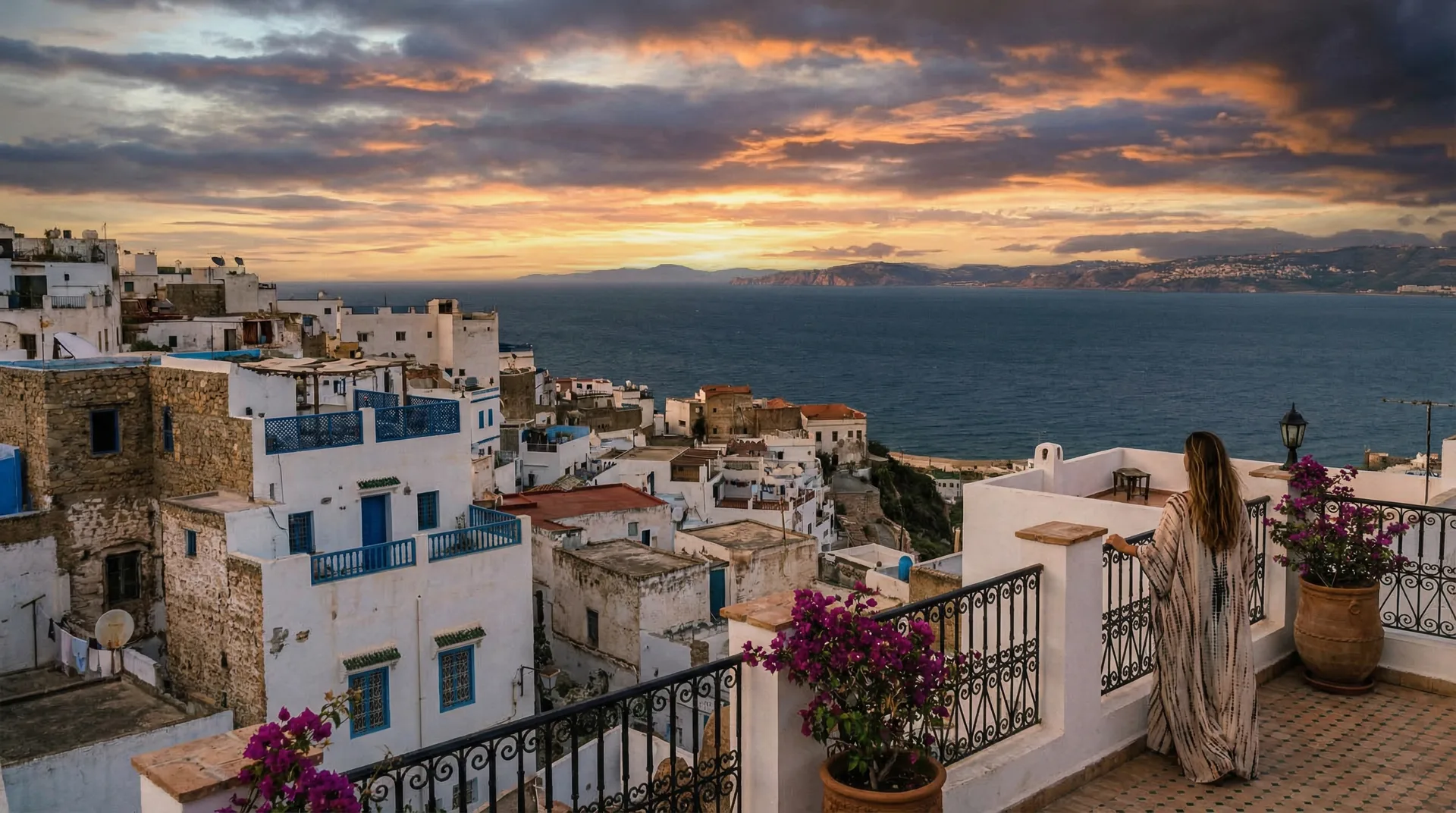
A 12th-century Almohad fortress overlooking the mouth of the Bou Regreg river. Enter through the monumental Bab Oudaia gate and wander steep lanes of blue-and-white houses to a platform with sweeping Atlantic views.
Things to do · Rabat
Morocco's capital pairs Atlantic light with monumental history, from a riverside kasbah to Roman-and-Merinid ruins. Here are twelve experiences worth your time in calm, walkable Rabat.
12 experiences
A 12th-century Almohad fortress overlooking the mouth of the Bou Regreg river. Enter through the monumental Bab Oudaia gate and wander steep lanes of blue-and-white houses to a platform with sweeping Atlantic views.
Tucked within the Kasbah of the Udayas, these formal gardens were laid out during the French protectorate in an Andalusian style. Shaded by orange, banana and cypress trees, they offer a tranquil pause among fountains and flowerbeds.
The unfinished minaret of a vast 12th-century mosque begun by the Almohad sultan Yacoub al-Mansour. Standing about 44 metres, it rises above rows of stone columns from the mosque that was never completed after his death.
Facing the Hassan Tower, this gleaming mausoleum holds the tombs of King Mohammed V and his sons. A masterpiece of modern Moroccan craftsmanship, it features carved cedar, zellij tilework and a green-tiled roof, guarded by royal sentries.
A walled hillside site layering a Roman town, Sala Colonia, with a 14th-century Merinid necropolis of mosque, minaret and royal tombs. Storks nest atop the ruins amid gardens, making it one of Rabat's most atmospheric corners.
The walled old town stretches between the kasbah and the Ville Nouvelle. Calmer than those of Fes or Marrakech, its lanes hold the Rue des Consuls craft street, textiles, leather and carpets, ending near the seafront ramparts.
Opened in 2014, this is Morocco's first major museum dedicated to modern and contemporary art. Its collection and rotating exhibitions trace a century of Moroccan painting and sculpture alongside international shows.
Along the river separating Rabat from Sale, this modern marina is a relaxed spot for a riverside walk. Small boats ferry passengers across to Sale, and waterfront cafes look back toward the kasbah ramparts.
Below the kasbah walls, the city beach meets Atlantic surf where the river opens to the ocean. The break near the Oudayas draws local surfers, and the sands fill with families on warm afternoons.
The official residence of the King of Morocco, set within the walled Mechouar district. The interior is closed to the public, but visitors can admire the grand ceremonial gates and the expansive esplanade from outside.
Rabat's planned new town, laid out under the French protectorate, lines wide boulevards such as Avenue Mohammed V with art deco and Mauresque facades. The central cathedral, parliament and leafy cafes anchor the modern city.
Rabat's older twin city sits across the Bou Regreg, reachable by tram or small boat. Its medina holds the Grand Mosque, a 14th-century Merinid medersa and the Bab Mrisa gate, offering a quieter, more traditional counterpoint.
Rabat, Morocco's capital, is known for its monumental heritage, including the Kasbah of the Udayas, Hassan Tower, the Mausoleum of Mohammed V and the Chellah necropolis. Much of the city is a UNESCO World Heritage Site.
A full day covers the Kasbah of the Udayas and its Andalusian Gardens, the Hassan Tower and Mausoleum of Mohammed V, the Chellah necropolis and a walk through the medina, finishing along the Bou Regreg marina.
Yes. As a calm, walkable capital with major historic monuments, Atlantic beaches and a relaxed medina, Rabat offers a rewarding contrast to busier imperial cities and is easily reached by train from Casablanca and Fes.
See it with a local
We'll build a private, guided plan around the experiences you care about — with a driver, hand-picked riads and a written quote in 24 hours.
Contact us for pricingMore cities