Akchour travel guide
Rif mountains · Talassemtane National Park.
Marrakech to Akchour.
Fixed written quote within 24h

- Stop 1: Marrakech
- Stop 2: Akchour
Things to do in Akchour
3 places, photographed where they stand.
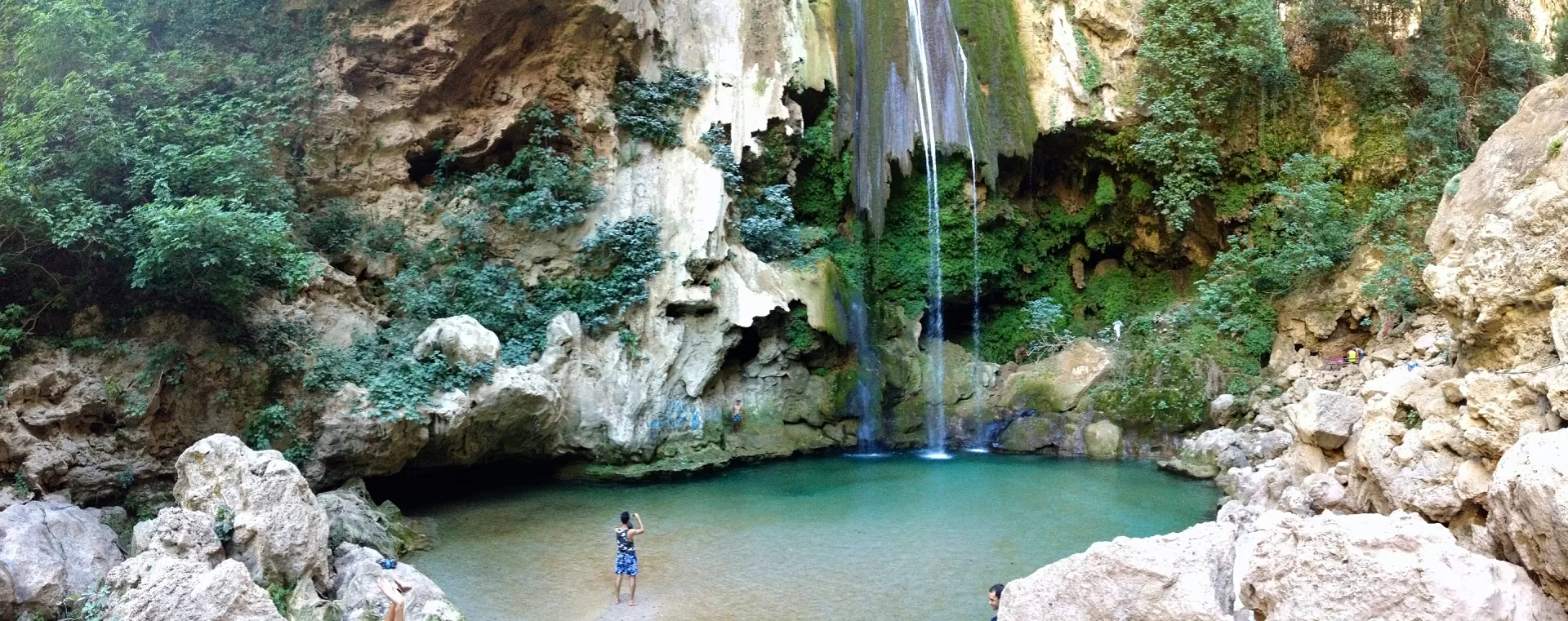
Tall Akchour waterfall dropping into
By day
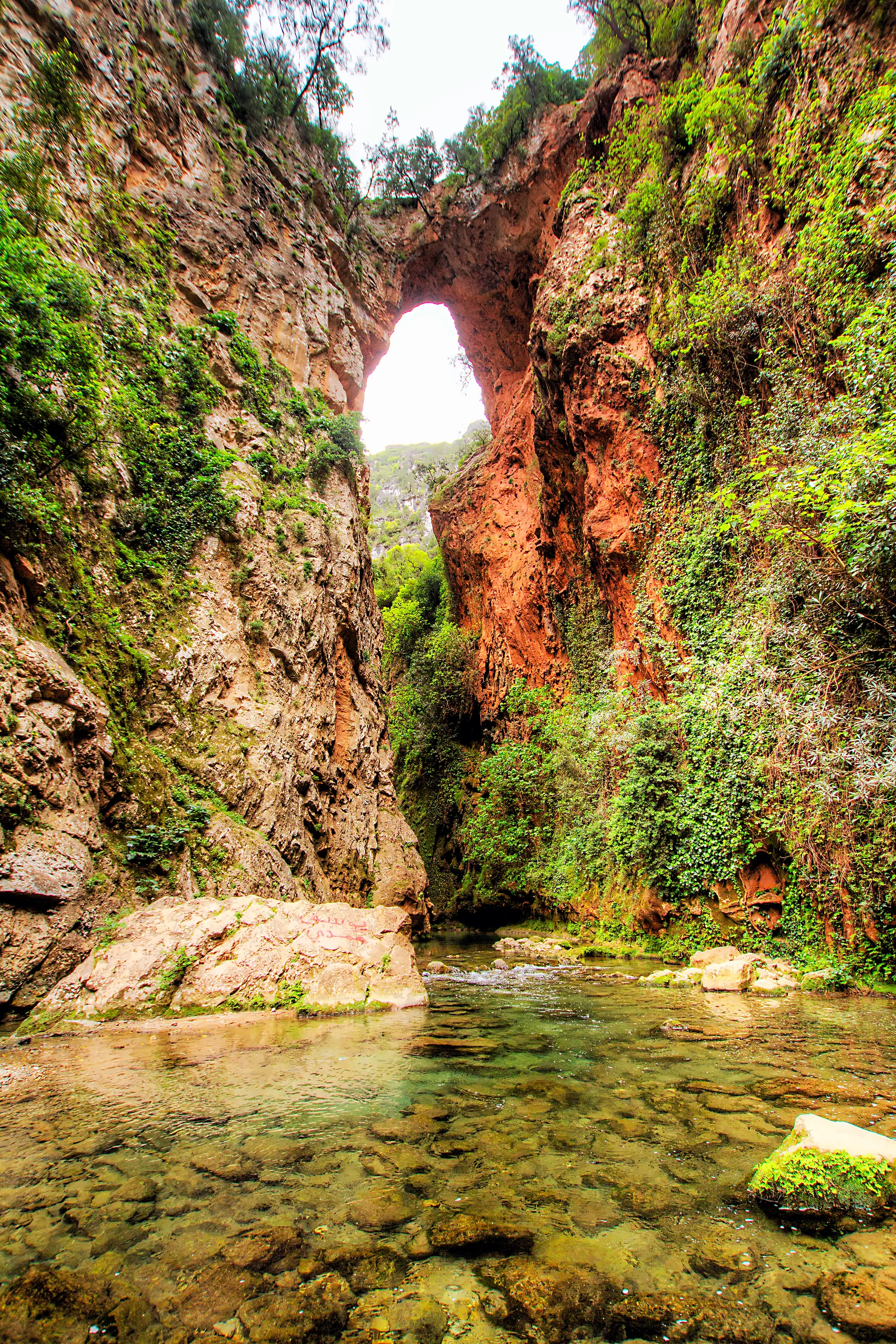
God's Bridge
By day
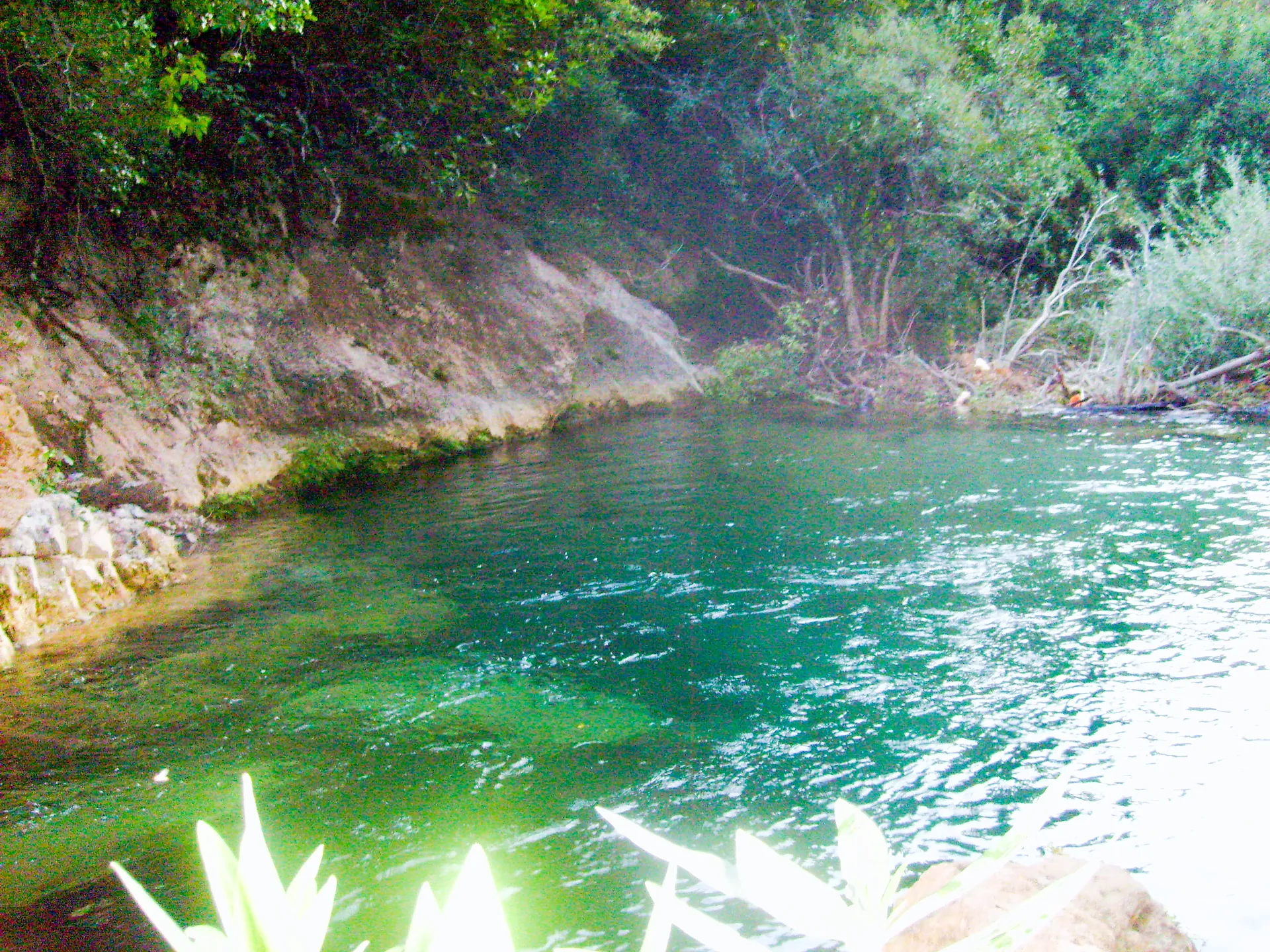
Clear turquoise pool on
By day
Akchour tours and itineraries
- The blue city & the Rif2 daysGet a quote
- Akchour day hike from ChefchaouenFull dayGet a quote
Best time to visit Akchour
April–June and September–October (waterfalls are strongest March–May; avoid July–August heat and summer crowds)
Akchour travel guide: the details
Where is Akchour?
Rif mountains · Talassemtane National Park.
- from Marrakech as the crow flies
- 478 km
About Akchour
Akchour is the best day hike you can do from Chefchaouen — a 30 km, 45-minute drive into the Talassemtane National Park, and the obvious second-day excursion when you stay overnight in the blue town. The trailhead village sits at the confluence of the Oued Farda and a tributary, and splits into two well-marked day walks: the easier lower route to a chain of cascades and turquoise swimming pools (5–6 km return), and the longer upper route to the Pont de Dieu, a natural limestone arch over the river. The forest itself is special — Talassemtane protects one of the last stands of Moroccan fir in North Africa, with Barbary macaques in the canopy. Pick the falls for a relaxed half-day, or God's Bridge for a full one.
- How long to stay
- Day hike from Chefchaouen
- Nearest airport
- Tangier Ibn Battouta (TNG) + 2h30 drive via Chefchaouen
- Getting there
- 30 km north-east of Chefchaouen — about 45 minutes on a winding mountain road; grand taxi or private transfer from Chefchaouen square
- Trail options
- Lower trail to falls: 5–6 km return, 2.5–3h, easy to moderate. Upper trail to Pont de Dieu: 14–16 km return, 6–7h, moderate with some scrambling
- What to bring
- Good walking shoes (river crossings), water (2 litres minimum), sun protection; swimming kit if you plan to use the pools
- Facilities
- Simple cafés at the Akchour trailhead; no facilities on the trail. Local guides available at the trailhead for around 150–200 MAD
Highlights of Akchour
What is Pont de Dieu (God's Bridge) at Akchour?
Pont de Dieu (Bridge of God) is a natural limestone arch spanning the Oued Farda gorge, formed over millennia by the collapse of a cave roof. The arch sits roughly 7–8 km from the Akchour trailhead on the upper trail — a 3–4 hour return hike through the gorge, with river crossings and sections of scrambling. The arch is approximately 25 m wide and frames the valley and sky in a composition that makes it one of the most photographed natural formations in the Rif.
Akchour waterfalls and gorge trail
The lower trail from Akchour village follows the Oued Farda upstream through a narrowing limestone gorge for about 2.5 km to the first cascade — a 20 m waterfall feeding a clear turquoise pool suitable for swimming in summer. The path continues to higher cascades; the round trip to the main falls is 5–6 km and takes about 2.5–3 hours at a relaxed pace.
Talassemtane National Park forest
The gorge trail passes through one of the most biodiverse forest ecosystems in northern Morocco: Moroccan fir (Abies marocana), Atlas cedar, Rif oak and Aleppo pine shade the path, with populations of Barbary macaque moving through the canopy above. Talassemtane is a UNESCO Biosphere Reserve.
Wild swimming in the gorge pools
The pools below the Akchour falls — particularly the main pool at the first cascade — are crystal-clear, cold and deep enough for swimming from May to September. Local guides at the trailhead operate simple cafés and can direct hikers to the best pools beyond the main fall.

Akchour travel questions
How difficult is the hike to God's Bridge at Akchour?
The upper trail to Pont de Dieu is moderate — about 7–8 km each way (14–16 km return), with some scrambling over rocks and several river crossings on stepping stones. It takes 3–4 hours each way and is suited to fit walkers with good shoes. The lower falls trail is considerably easier and suitable for most active visitors.
Can you swim at the Akchour waterfalls?
Yes — the main pool below the first cascade is the most popular swimming spot, clear and cold even in summer. Local café owners at the trailhead can advise on current water levels and conditions. The pools are best June–September; water is very cold March–May from snowmelt.
Is a guide necessary for Akchour?
The main trail to the lower falls is well-marked and does not strictly require a guide. The upper trail to Pont de Dieu is less clearly signed in places and benefits from a local guide, particularly for the river crossings and the final approach to the arch. Guides at the trailhead charge approximately 150–200 MAD for the lower trail, more for the full day to God's Bridge.
What is the best time of year to visit Akchour?
April through June is ideal — the waterfalls are at full flow from winter and spring rain, the forest is green, and temperatures in the gorge are comfortable for hiking (18–26°C). September and October are also excellent. July and August bring the largest crowds and the hottest conditions; the falls are reduced but swimming is at its best.

Places near Akchour
- Chefchaouen, 13 km as the crow flies
- Tétouan, 46 km as the crow flies
- Asilah, 86 km as the crow flies
Read before you go
- Can You Visit the Sahara Desert as a Day Trip from Marrakech? The Honest Answer
- Can You Do Day Trips from Marrakech Without a Tour? Which Ones Work by Bus, Taxi or Self-Drive
- What Are the Best Day Trips from Marrakech and Fes, and How Do You Choose Between the Atlas Mountains, the Desert and the Coast?
Private, with your own driver
Private tours to Akchour
Your date, how many of you: a fixed written quote within 24 hours.
